Explore the latest developments in radio frequency technologies and their application to modern wireless communication systems. You will acquire the skills to design key communication subsystems, including transmitters, receivers, frequency synthesizers, and antennas.
Electromagnetic CAD for RF engineering (5 ECTS)
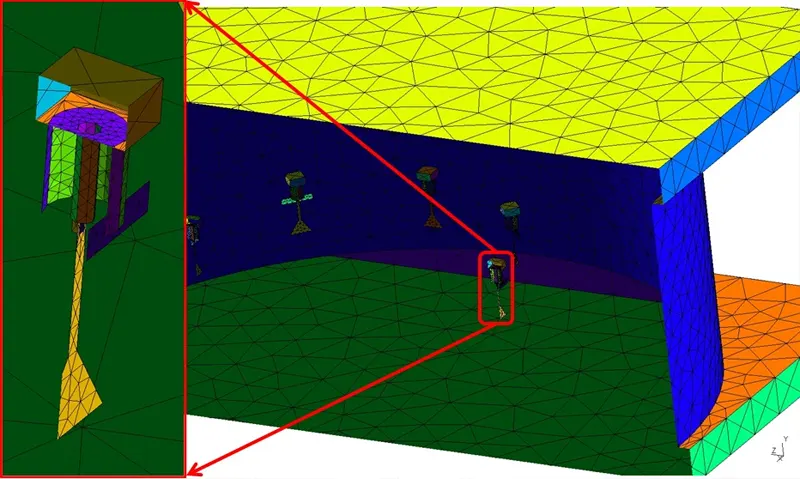
The Computational Electromagnetic Design for RF course introduces the fundamental principles of the design and analysis of passive RF and microwave devices (waveguide and microstrip circuits, antennas, and other components) using the most appropriate computational techniques, including FEM, MoM, FDTD, GTD, and Mode Matching.
Beyond the theoretical concepts, the course adopts a strongly practical approach, allowing students to apply their knowledge through specialized commercial software and electromagnetic simulation tools widely used in industry and research.
 Learning guide
 Study plan
Design of RF and Microwave Passive Circuits (5 ECTS)
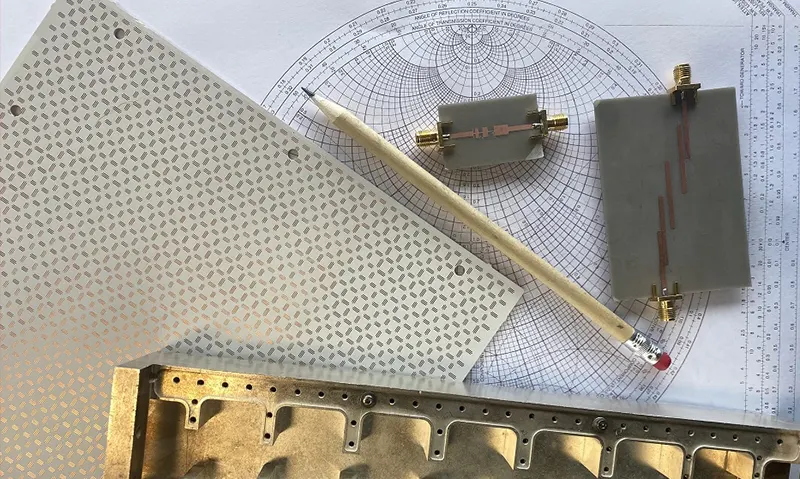
This subject introduces concepts and tools for the design and simulation of passive microwave devices that are part of the most representative RF communication systems. Components such as filters, couplers, multiplexers, and polarization converters, among others, are studied.
These devices are implemented using different technologies that employ guided transmission media supported by physical structures, as well as planar free-space structures with spatial feeding, including reflectarrays, frequency selective surfaces, and reconfigurable intelligent surfaces.
In addition, the course introduces the use of the most common commercial tools for the analysis and design of these devices.
Design of RF and Microwave Solid-State Circuits (5 ECTS)
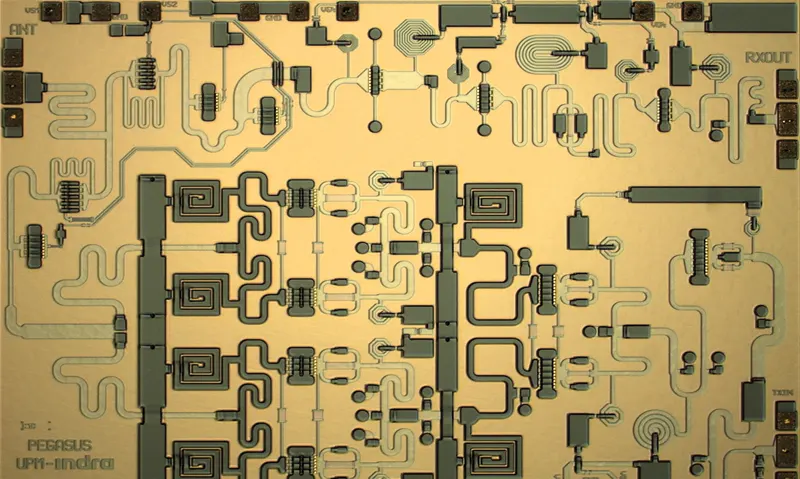
The course covers the analysis, design, and specification of solid-state active circuits and subsystems, highlighting their role in modern RF and microwave systems.
Students will learn to translate the specifications of a complex RF subsystem into viable technical solutions, either by selecting and integrating commercial components or by designing custom circuit blocks built from fundamental semiconductor devices.
Advanced tools and techniques for microwave circuit design are employed, providing rigorous and industry-aligned training.
Advanced Antenna Technologies
(5 ECTS)
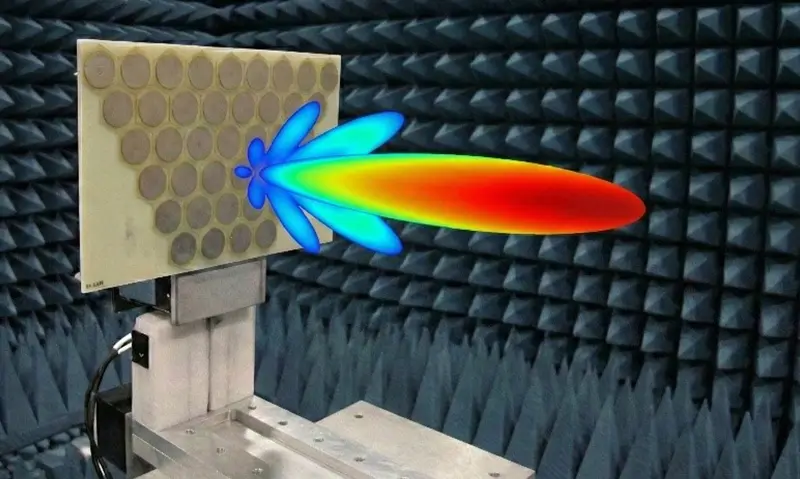
This course provides solid and advanced training in the design of modern radiating systems, covering both theoretical and practical aspects.
The curriculum addresses the study of broadband and multiband printed antennas, as well as complex aperture structures, including advanced horns and reflector systems. Likewise, the design of planar antenna arrays (phased-arrays) with various polarization and bandwidth configurations is covered.
By combining theoretical rigor with computational simulation and laboratory work, students develop the skills necessary to solve complex problems within the field of antenna engineering.
Laboratory course on RF measurements
(5 ECTS)
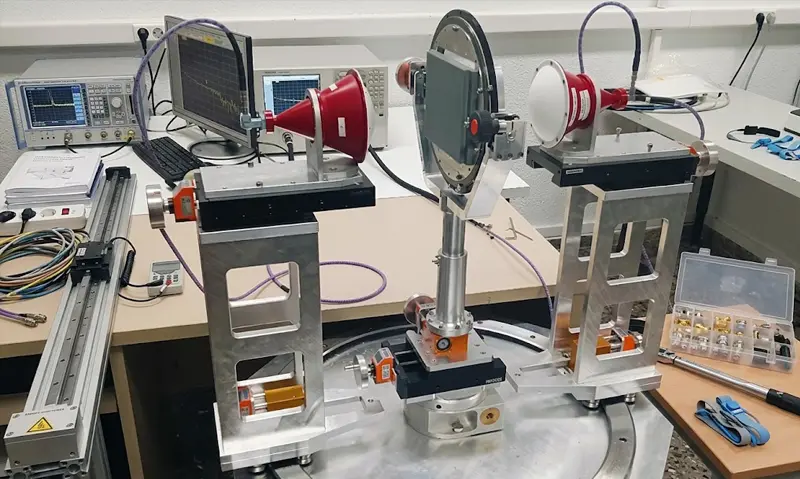
This course, which is mainly practical, is focused on providing the students the capability to know and use the most common techniques for measuring and characterizing Radiofrequency (RF) components and systems.
The course is divided into laboratory sessions where, in addition to operating the most common instrumentation to test RF devices, students study the theoretical foundations and expected uncertainties of the measurement processes.
Through the use of tools in the frequency or time domains, the course covers the measurement of both passive and active high frequency RF devices, the extraction of electrical properties of materials in guided and free-space systems, antenna measurement, and the characterization of signals of a RADAR system.
Antenna array processing
(3 ECTS)

Antenna Array Processing provides an integrated view of antenna array processing techniques as key enablers of modern and secure communication systems by implementing active smart antenna systems. The course links signal models and advanced adaptive beamforming algorithms with system-level performance, addressing capacity, interference mitigation, and robustness.
Realistic use cases are introduced, including satellite non-terrestrial networks, massive MIMO, vehicular communications, and reconfigurable intelligent surfaces.
Emphasis is placed on practical trade-offs within algorithms implementation, demonstration with planar wave emulator and the system analysis software supporting implementation aspects and performance improvement in current and emerging communication scenarios.
Mobile Network Planning and Optimization
(3 ECTS)
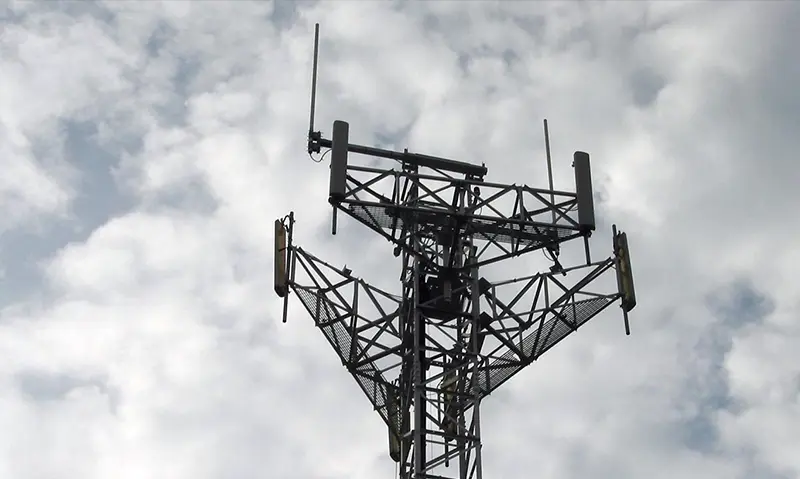
The course covers basic concepts that underpin modern mobile communication systems; provides an overview of specific systems, focused on the radio interface; and presents, in more detail, techniques used in radio network planning and optimization of mobile communication systems.
Satellite Communications Technologies
(3 ECTS)
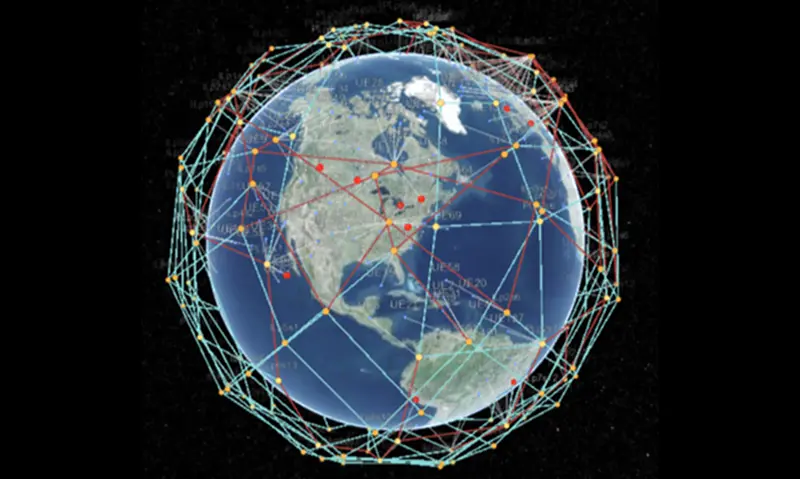
This course describes the main characteristics of space-based communication systems, including massive constellations.
It will cover orbital aspects, onboard communication payload design, link balance, and its impact on overall system performance and the services provided.
Radar Systems
(5 ECTS)
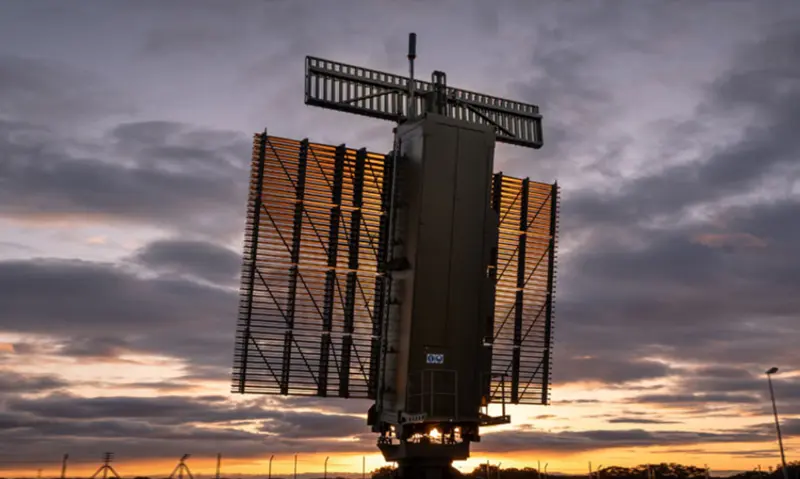
This course addresses the fundamentals and main applications of modern radar systems.
The covered topics include their hardware architectures and employed waveforms, as well as the principles of radar signal and data processing, with focus on clutter cancellation and algorithms for target detection and tracking.
Laboratory sessions will be carried out to consolidate the acquired knowledge, in which the students will operate real systems and process the received signals in experimental environments.
Software Radio
(5 ECTS)
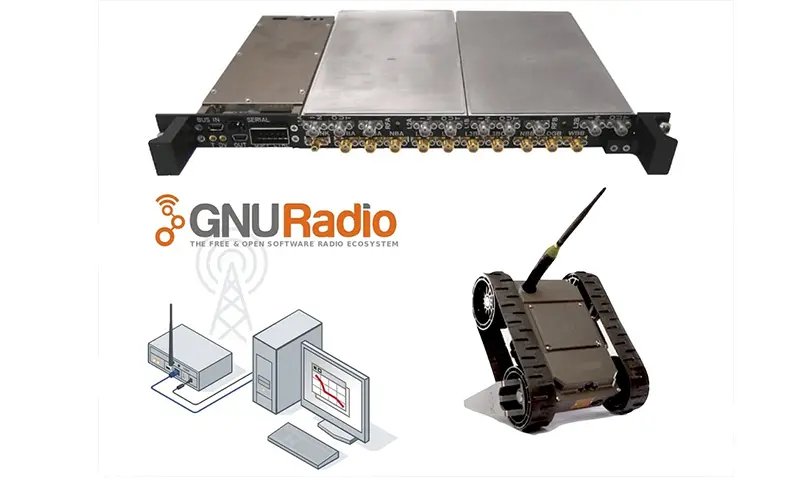
In this course it is described in deep the elements needed, hardware and software, for the implementation of digital communication systems.
Digital communications fundamentals are given as well the advanced concepts on digital signal processing to correct practical problems in the transmission channel.
Research Methodologies in RF Engineering
(1 ECTS)

This course provides students with an introduction to the fundamentals, methods, and tools of scientific and technological research in the field of radio frequency engineering.
It covers the phases of the research process, experimental design, validation of results, and writing scientific reports.
Its objective is to equip students with the necessary skills to carry out future research activities with methodological rigor.
This subject reinforces the research orientation of the master’s degree and prepares students to join research groups and complete their Master’s Thesis.
Master’s Thesis (MT)
(15 ECTS)

The Final Master Thesis offers a great opportunity to closely collaborate with your favorite professor on advanced topics to be agreed with him/her. Located in the second semester with 15 ECTS, at that time you will have the global perspective about which are the more challenging topics or more demanded by local or international companies you desire to deepen.
After an initial discussion with your academic advisor about your preferences, he/she will put in contact with the most suitable researcher among our professors who will lead your final stage before obtaining the final degree. You will have the chance to access to the professional laboratories in our department and get involved in our research or our technological transfer projects.
Finally you will have to elaborate an extended report describing your achievements and make an oral presentation defending your results in front of other professors experts in the field. In the end, you will have gained full professional maturity to continue your career in academia or high technological companies with unique capabilities.

Escuela Técnica Superior
de Ingeniería de Telecomunicación
Universidad Politécnica de Madrid
The Master’s degree
Career Opportunities
Quick Links

© 2026 ETSIT UPM. All rights reserved.