
Masterclasses, with an interactive and theoretical-practical approach
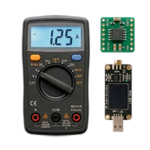
Laboratory practical activities
(Experimentation, simulations, etc.)

Technical assignments
(Projects, case studies, etc.)
The methodology of the Master’s Degree in Radio Frequency Engineering (MUIRF) at the Technical University of Madrid (UPM) is characterized by an eminently theoretical-practical and applied approach. Its objective is to train students through direct experience with the tools and technologies currently used in both high-level research and the tech industry. The fundamental pillars of its methodology are detailed below:
1. Integrated Theoretical-Practical Approach
The master’s program continuously combines the instruction of advanced theoretical foundations (electromagnetism, RF circuit theory, antennas, and radiating systems) with their immediate application. It is not merely conceptual learning; every theoretical concept is accompanied by its corresponding technical validation.
2. Intensive Use of Laboratories and Specialized Equipment
A hallmark of the program is the emphasis on experimental work. As an in-person master’s degree, the methodology encourages constant use of laboratories. Students learn and practice experimental measurement techniques using real high-frequency and microwave instruments and equipment, replicating professional environments.
3. Simulation and Computational Design (Commercial Software)
A significant part of the methodology relies on computer-aided design (CAD) and computational electromagnetic design.
- Students learn to analyze and design passive and active RF devices using the most appropriate computational methods (such as FEM, MoM, FDTD, etc.).
- Learning is consolidated in practical sessions using state-of-the-art commercial software and simulation tools, preparing the student directly for entry into the labor market or the research field.
4. Research and Technological Orientation
The curriculum is designed through use cases and practical problem-solving. Given its clear orientation toward both professional practice and research (serving as a natural path to doctoral studies), the methodology fosters:
- Critical thinking and design capability.
- Optimization of complex electromagnetic subsystems.
- Autonomous and group work focused on technological development and innovation (R&D) in emerging areas such as the Internet of Things (IoT), radar, or next-generation communications.
- Theoretical hours (30%)
- Practical hours (70%)
In short, the MUIRF methodology at the UPM is based on “learning by doing,” ensuring that students not only understand complex electromagnetic phenomena but are also capable of simulating, designing, building, and measuring them according to current industry standards.
Recommendations
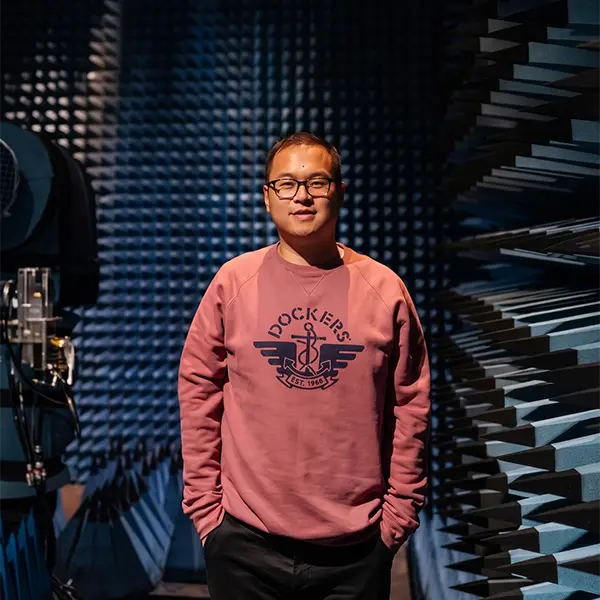

At SSR, I particularly appreciate the professionalism, the outstanding expertise of the teaching staff, and the strong relationship established between students and professors.”
Xiaolian Sun – Antenna Measurement Specialist at LEHA (UPM Antenna Testing and Certification Laboratory)

After 13 years working in the satellite communications sector, I was looking to expand my knowledge. Finding this master’s program was exactly what I needed, as I knew that UPM would provide me with high-quality education and learning opportunities.”
Ekhi Uranga – European Space Astronomy Centre (ESAC), European Space Agency (ESA)

Escuela Técnica Superior
de Ingeniería de Telecomunicación
Universidad Politécnica de Madrid
The Master’s degree
Career Opportunities
Quick Links

© 2026 ETSIT UPM. All rights reserved.